Impulse buying still dominates many food purchase decisions—brands are just adapting to new touchpoints. In-store, retailers like Trader Joe’s use strategic shelf placement and engaging signage to encourage discovery, placing unique items like frozen appetizers or seasonal dips at eye level. They also use narrow aisles, friendly product copy, and sample stations to create a sense of treasure hunting, which keeps customers engaged and ready to grab something unexpected.
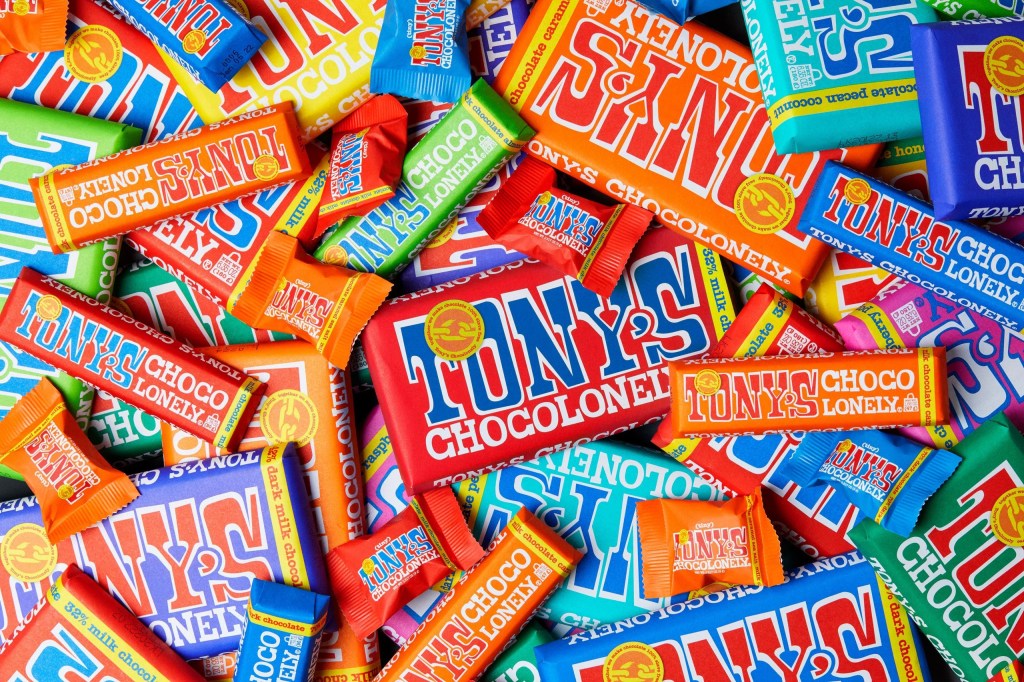
End-cap displays and checkout lanes remain hot spots for impulse grabs, especially when paired with limited-edition or seasonal products. Think of the last-minute chocolates at Whole Foods or seasonal confections at Target—these placements aren’t accidents; they’re engineered for conversion.
Online, platforms like Thrive Market boost average order value by suggesting last-minute cart add-ons or offering free shipping thresholds. These techniques create frictionless moments of temptation, where convenience meets curiosity. Brands like Milk Bar amplify urgency with limited-edition drops and real-time countdowns, nudging users with a sense of now-or-never.
Some brands are taking it further by using behavioral psychology in digital design. For example, Gopuff uses behavioral nudges like “only 3 left” or “selling fast” to create urgency. Imperfect Foods allows customers to modify weekly boxes—but subtly guides them toward higher-value add-ons with suggested swaps and curated bundles.
Ultimately, successful impulse strategies tap into a consumer’s desire for discovery, indulgence, and convenience—all while shortening the path from curiosity to checkout.

 The Hungry Marketer
Leave a comment