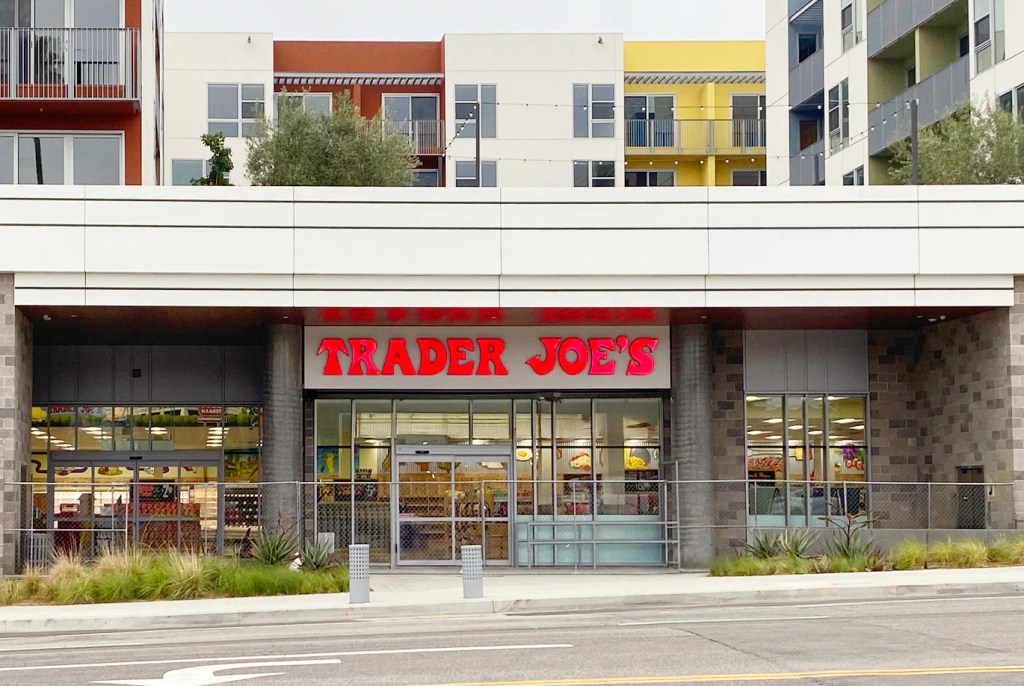
How the Cult-Favorite Grocery Store Built Brand Loyalty Without Traditional Advertising
In a world where food and beverage brands fight for attention across TikTok, billboards, and influencer campaigns, Trader Joe’s stands quietly apart. With no paid ads, no loyalty program, and no social media blitzes, this quirky grocery chain has still built an almost fanatical customer base. So how does it work—and what can food marketers learn from them?
Trader Joe’s Brand Playbook: Scarcity, Personality, and Trust
1. They Don’t Advertise—But They Still Communicate
Trader Joe’s doesn’t rely on TV commercials or social ads. Instead, they:
- Publish the Fearless Flyer (a witty product newsletter)
- Create in-store experiences with creative signage and enthusiastic crew members
- Rely on word-of-mouth from loyal shoppers who rave on TikTok and Reddit for free
Takeaway for Marketers: Storytelling doesn’t have to be paid. A strong brand voice and in-person experience can spark organic advocacy.
2. Scarcity Creates Demand
Trader Joe’s products often disappear without warning—and that’s part of the magic. Limited-time items like their Butternut Squash Mac & Cheese or Pumpkin Joe-Joes create urgency and FOMO.
This “get it while you can” strategy:
- Encourages repeat visits
- Adds mystery and excitement
- Builds emotional attachment to products
Takeaway: Scarcity isn’t just about logistics—it can be a strategic emotional tool.
3. Store-Brand Strategy Builds Exclusivity
Roughly 80% of Trader Joe’s products are private label, which means you can’t find them anywhere else. This exclusivity fuels their cult following and price control.
- It strengthens brand equity (people trust the “Trader Joe’s” label)
- Cuts reliance on national brand competition
- Keeps marketing costs low
Takeaway: Owning your product experience—through packaging, naming, and story—makes you unforgettable.
4. Brand Personality is in Everything
From Hawaiian shirts to handwritten signs, Trader Joe’s feels human. Even their product copy has personality (“A sweet, nutty twist on a cheesy classic!”).
- The tone is consistent, clever, and warm
- Employees act as brand ambassadors
- Nothing feels overly corporate
Takeaway: Personality is a competitive advantage. Give your brand a consistent, relatable voice across every touchpoint.
What Food Marketers Can Learn
| Principle | Trader Joe’s Execution | How You Can Apply It |
|---|---|---|
| Brand Voice | Playful, warm, handwritten | Use clear tone in emails, websites |
| Scarcity | Rotating seasonal products | Try limited-time flavors or drops |
| Product Ownership | 80%+ private label | Build exclusivity into offerings |
| Word-of-Mouth Power | Loyal fans = free marketing | Incentivize UGC and community |
Trader Joe’s proves that you don’t need a million-dollar ad budget to win hearts—you need clarity, consistency, and creativity. In the age of oversaturated digital marketing, being different may just be your biggest advantage.

 The Hungry Marketer
Leave a comment